
Concrete Reinforcement Scanning: How It Prevents Costly Structural Damage
Concrete structures are built to be strong, durable, and capable of supporting significant loads. However, reinforced concrete is more complex than it appears from the outside. Beneath the surface, slabs, walls, columns, beams, and foundations may contain reinforcing steel, post-tension cables, electrical conduits, pipes, and other embedded elements. When construction teams drill, cut, core, or anchor into concrete without knowing what is inside, they can accidentally damage critical structural components.
This is where concrete reinforcement scanning becomes an important part of construction, renovation, and maintenance planning. Scanning allows trained professionals to identify hidden elements before invasive work begins, helping contractors determine safer locations for drilling and cutting. Ground Penetrating Radar (GPR), for example, can provide subsurface information without requiring destructive testing.
For contractors, engineers, property owners, and facility managers, scanning is more than a precaution. It can help prevent structural damage, reduce rework, protect workers, and keep projects moving according to schedule. Instead of relying on outdated drawings or assumptions, teams can make decisions based on information gathered from the actual concrete.
On The Mark Locators provides professional locating and scanning solutions designed to help construction teams better understand what is beneath and inside concrete before work begins.
1. What Is Concrete Reinforcement Scanning?
Concrete reinforcement scanning is a non-destructive process used to identify reinforcing steel and other embedded objects inside concrete. The goal is to understand what lies beneath the surface before drilling, coring, cutting, or other invasive construction activities take place.
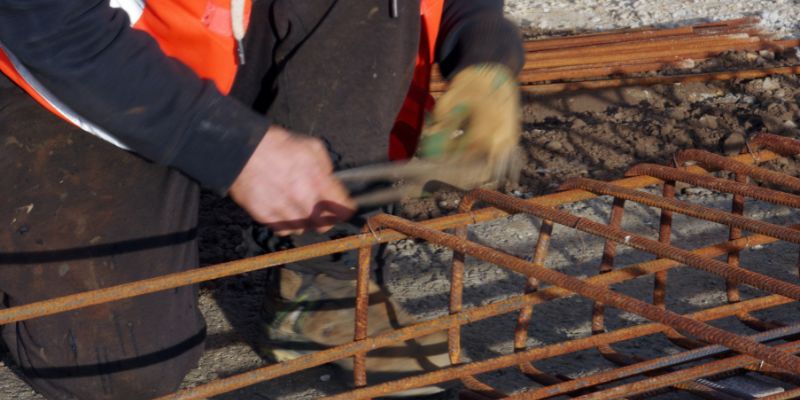
Reinforcing steel, commonly called rebar, is placed inside concrete to provide additional tensile strength. While rebar is essential to the structural performance of concrete, accidentally cutting it can weaken the structure.
Concrete may also contain:
Reinforcing steel and rebar
Post-tension cables
Electrical conduits
Plumbing lines
Metallic and non-metallic pipes
Voids or anomalies
Other embedded construction elements
Modern scanning methods can provide information about the location and approximate depth of these features without opening the concrete. GPR works by transmitting electromagnetic signals into the material and analyzing reflected signals to identify subsurface objects.
This makes scanning particularly useful when existing construction drawings are incomplete, outdated, or unavailable.
Before making a hole in a concrete slab or wall, knowing where reinforcement and other embedded components are located gives construction teams valuable information for planning the work safely.
2. How Concrete Rebar Scanning Helps Protect Structural Integrity
One of the primary purposes of concrete rebar scanning is to prevent accidental damage to reinforcing steel.
Rebar is strategically positioned within concrete to help the structure withstand loads and stresses. Its location is therefore important. Drilling through a reinforcement bar may appear to be a small issue, but cutting critical reinforcement in the wrong location can affect the performance of a structural element.
The problem becomes even more serious when post-tensioned construction is involved. Post-tension cables can contain significant stored energy, and damaging them during cutting or drilling can create serious safety and structural concerns. Professional scanning helps identify potential cable locations before invasive work begins.
Scanning can help teams:
Identify reinforcement patterns
Estimate the depth of embedded steel
Find suitable drilling locations
Avoid cutting critical reinforcement
Identify potential post-tension cable locations
Reduce unnecessary exploratory drilling
Improve construction planning
For example, suppose a contractor needs to install anchors through a concrete floor. Without scanning, workers may select locations based solely on drawings or visual assumptions. With scanning, the team can identify reinforcement and select a more appropriate location.
This simple step can help avoid expensive repairs and unnecessary project interruptions.
3. Why GPR Is Valuable for Concrete Scanning
Ground Penetrating Radar is one of the most useful technologies for investigating concrete without damaging it. GPR sends electromagnetic pulses into the material and analyzes the signals that return when they encounter different subsurface materials.
Because different materials interact with electromagnetic energy differently, the resulting data can reveal patterns associated with embedded objects.
GPR can be particularly valuable because it can help identify both metallic and certain non-metallic objects, depending on material properties and site conditions. This gives it an advantage over methods designed primarily to locate conductive metal.
A professional concrete reinforcement scanning process may involve scanning the designated area in multiple directions. Technicians then interpret the collected data to identify patterns associated with rebar, conduits, cables, or other objects.
The information can be used to mark locations directly on the concrete surface, allowing construction crews to see areas where drilling or cutting may present a higher risk.
However, GPR is not simply a matter of moving a scanner across a surface. Equipment selection, site conditions, scanning technique, and data interpretation all affect the quality of the results. Experienced professionals understand how to interpret the data and communicate findings clearly to the construction team.
4. How Scanning Helps Prevent Expensive Construction Problems
The cost of scanning is generally small compared with the potential financial consequences of damaging a structural component or embedded utility.
An unexpected obstruction can lead to much more than a repair bill. It may cause:
Work stoppages
Emergency repairs
Engineering assessments
Schedule delays
Additional labor
Material replacement
Redesign
Safety incidents
Liability concerns
Damage to surrounding infrastructure
The reference material highlights how utility and structural strikes can create substantial direct and indirect costs.
Consider a renovation project where a contractor needs to core several holes through an existing concrete slab. If the locations have not been scanned, a crew could encounter reinforcement, conduit, or post-tension components unexpectedly.
The resulting problem could require the contractor to stop work, investigate the damage, bring in an engineer, repair the affected area, and adjust the construction plan.
Even when the physical repair is manageable, lost time can become expensive.
Concrete scanning helps move the discovery process before the damage occurs. Instead of discovering hidden conditions while drilling, contractors can identify potential conflicts during planning.
That shift—from reactive problem solving to proactive planning—is one of the biggest benefits of professional scanning.
5. When Should You Consider Concrete Reinforcement Scanning?
Concrete scanning should be considered whenever construction work may disturb or penetrate an existing concrete structure.
Common applications include:
Concrete Drilling
Before installing anchors, fasteners, equipment, railings, or other components, scanning can help identify reinforcement and embedded utilities.
Core Drilling
Core drilling creates relatively large openings in concrete. Scanning beforehand can help crews select locations that minimize the risk of hitting critical embedded elements.
Concrete Cutting
Saw cutting floors, walls, or slabs without understanding their internal configuration can create unnecessary risks. Scanning provides additional information before cutting begins.
Building Renovations
Older buildings may have incomplete or inaccurate drawings. Scanning can help verify actual conditions before renovation work begins.
Commercial Construction
Commercial buildings often contain complicated combinations of reinforcement, electrical systems, plumbing, and mechanical components. Subsurface scanning can improve construction planning.
Parking Structures
Parking garages commonly use reinforced concrete and may require maintenance, repairs, or modifications. Scanning can help identify reinforcement before drilling or coring.
Hospitals, Schools, and Public Buildings
Occupied facilities often have little tolerance for unexpected damage or service interruptions. Scanning helps construction teams plan around existing infrastructure and reduce unnecessary disruption.
If you are searching online for concrete scanning companies near me, look for a provider with appropriate equipment, trained technicians, relevant experience, and a clear process for documenting and communicating scan results.
6. Why Professional Scanning Is Better Than Guesswork
Construction drawings are valuable, but they do not always represent current field conditions. Buildings may have undergone renovations, repairs, tenant improvements, utility modifications, or structural changes that are not reflected in older documentation.
Relying solely on drawings can therefore leave gaps in your understanding of the actual concrete.
Professional scanning adds another layer of verification.
A typical process may include:
Step 1: Review the work area
The technician evaluates the concrete surface and understands what type of work the contractor plans to perform.
Step 2: Select appropriate scanning equipment
The scanning method depends on the concrete, expected targets, depth requirements, and project objectives.
Step 3: Scan the area systematically
Technicians collect data across the designated work area, often using multiple scan directions to improve interpretation.
Step 4: Interpret the data
Potential rebar, cables, conduits, and other anomalies are identified based on the collected signals.
Step 5: Mark the concrete
Important findings can be transferred to the concrete surface so crews can understand where potential obstructions are located.
Step 6: Communicate the results
The scanning professional explains findings and limitations so the contractor can make informed decisions about drilling, cutting, or coring.
This systematic approach provides much more confidence than simply guessing where reinforcement might be located.
If you are looking for concrete x ray services near me, it is also important to understand that concrete X-ray and GPR are different technologies. X-ray imaging can provide highly detailed information in certain applications, but it may involve radiation controls and access considerations. GPR offers a non-destructive alternative that is often convenient for field scanning. The appropriate technology depends on the project, structure, access, and information required.
Conclusion
Concrete reinforcement scanning is an important preventive measure for construction, renovation, repair, and maintenance projects involving existing concrete. Before drilling, cutting, or coring, understanding what is hidden beneath the surface can help contractors avoid reinforcement, post-tension cables, conduits, pipes, and other embedded elements.
Professional concrete rebar scanning can provide valuable information that improves planning, protects structural components, reduces unexpected interruptions, and supports safer construction practices. GPR technology is especially useful because it allows professionals to investigate concrete without destructive testing.
The financial value of scanning goes beyond avoiding a single repair. Preventing one unexpected conflict can help protect labor costs, project schedules, materials, safety, and the overall reputation of a construction team.
For contractors and property owners searching for concrete scanning companies near me or concrete x ray services near me, choosing an experienced professional is an important part of the process.
On The Mark Locators helps clients make better-informed decisions by providing professional locating and scanning services before invasive construction work begins. When you know what is inside the concrete, you can plan the work with greater confidence and reduce the risk of costly surprises.