
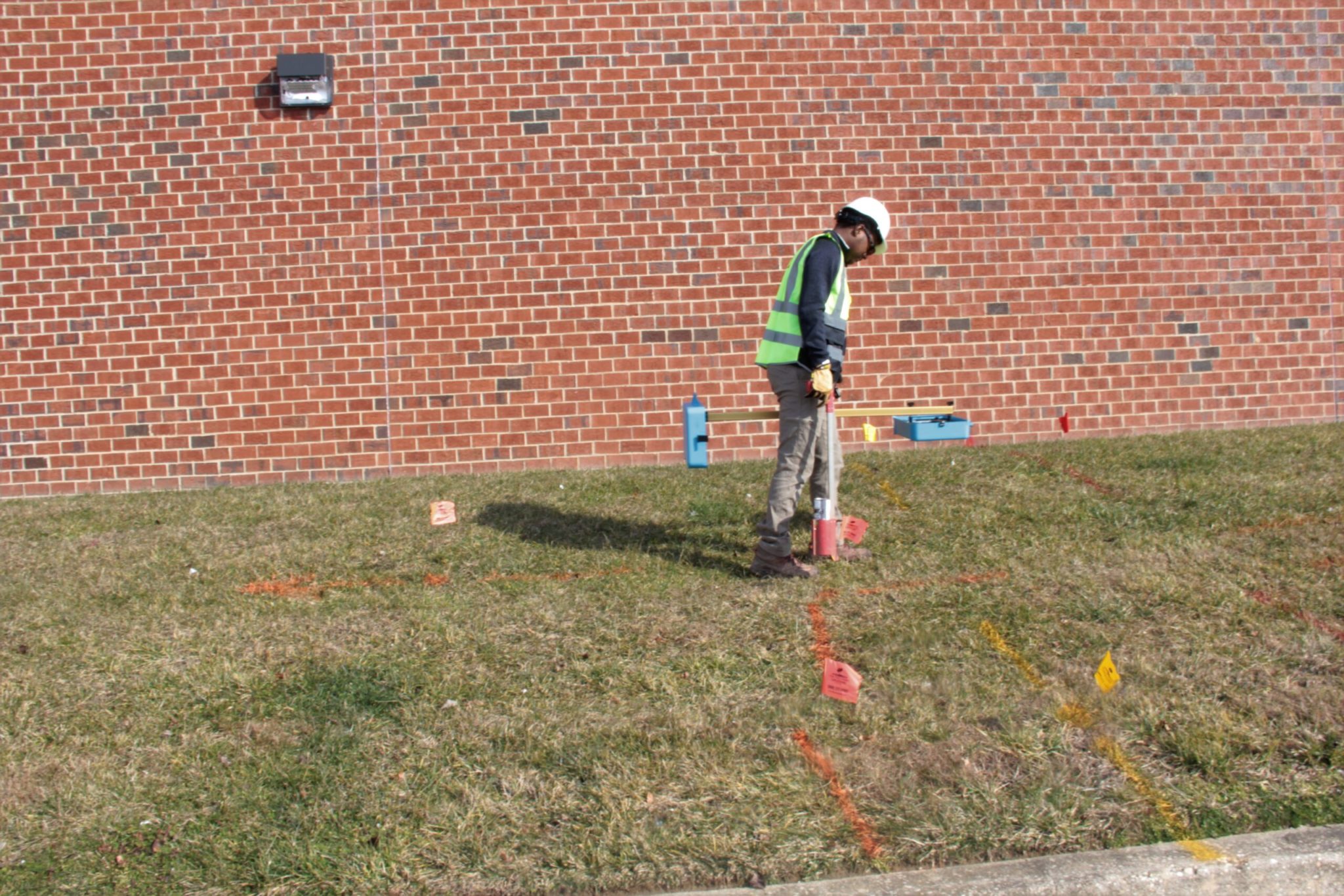
Everything You Need to Know About Rebar Scanning Services for Modern Construction Projects
In today's construction industry, precision, safety, and efficiency are more important than ever. Whether you're renovating an existing commercial building, installing new utilities, drilling anchor holes, or cutting into concrete slabs, knowing what lies beneath the surface is essential. One mistake can damage reinforcing steel, electrical conduits, post-tension cables, or other embedded utilities, resulting in costly repairs, project delays, and serious safety hazards.
This is where rebar scanning services become an essential part of every successful construction project. Using advanced Ground Penetrating Radar (GPR) technology and non-destructive testing methods, professionals can accurately locate reinforcing steel and other hidden objects before any drilling, coring, or demolition begins.
At On The Mark Locators, we help contractors, engineers, architects, facility managers, and property owners make informed decisions with reliable underground and concrete scanning solutions. Our experienced team provides accurate rebar scanning services that reduce risk, improve productivity, and protect valuable infrastructure.
In this guide, we'll explain everything you need to know about rebar scanning services, how the process works, why they're important, and how they contribute to safer and more efficient modern construction projects.
1. What Are Rebar Scanning Services?
Rebar scanning services involve inspecting concrete structures to locate reinforcing steel bars (rebar) and other embedded objects before construction work begins. Instead of cutting or drilling blindly into concrete, contractors can identify exactly where reinforcement is located.
Modern scanning typically uses Ground Penetrating Radar (GPR), which sends electromagnetic signals into concrete. These signals bounce back when they encounter objects with different densities, allowing technicians to identify:
Reinforcing steel (rebar)
Post-tension cables
Electrical conduits
Plastic and metal pipes
Voids
Embedded utilities
Concrete thickness
Structural features
Unlike destructive investigation methods, rebar scanning leaves the concrete intact while providing highly accurate information.
The data collected helps construction teams confidently perform drilling, sawing, coring, anchoring, and demolition without damaging critical structural components.
Professional rebar scanning services have become a standard requirement for commercial buildings, hospitals, schools, bridges, parking garages, industrial facilities, and residential developments.
2. Why Rebar Scanning Services Are Essential for Modern Construction
Construction projects today involve increasingly complex infrastructure hidden beneath concrete surfaces. Simply relying on outdated drawings or assumptions can create significant risks.
Some major reasons why rebar scanning services are essential include:
Improved Worker Safety
Cutting into post-tension cables or electrical conduits can create life-threatening situations. Scanning identifies these hazards before work begins.
Prevent Structural Damage
Reinforcing steel is critical to a building's strength. Accidentally cutting rebar can weaken structural integrity and require expensive repairs.
Reduce Project Delays
Unexpected utility strikes often stop construction immediately. Accurate scanning minimizes surprises and keeps projects moving on schedule.
Lower Repair Costs
Repairing damaged reinforcement or embedded utilities can cost thousands of dollars. Preventing damage is significantly more cost-effective.
Better Planning
Contractors can plan drilling locations, equipment placement, and structural modifications with greater confidence.
Regulatory Compliance
Many commercial projects require concrete scanning before drilling or cutting to comply with safety standards and engineering requirements.
At On The Mark Locators, our advanced scanning solutions help clients complete projects safely while minimizing costly interruptions.
3. How Rebar Scanning Services Work
Many property owners are surprised by how fast and non-invasive the scanning process can be.
Here's a step-by-step overview:
Step 1: Site Evaluation
The technician reviews project plans, discusses the work area, and identifies the locations requiring scanning.
Step 2: Surface Preparation
The concrete surface is cleaned if necessary to ensure smooth movement of scanning equipment.
Step 3: Ground Penetrating Radar Scanning
A GPR scanner is moved across the concrete surface in multiple directions.
As radar waves penetrate the concrete, they detect:
Reinforcing steel
Metal objects
Plastic conduits
Voids
Utility lines
Structural components
Step 4: Data Interpretation
Experienced technicians analyze radar images in real time to identify object locations and depths.
Step 5: Surface Marking
Detected objects are marked directly on the concrete surface using paint, chalk, or markers.
This allows contractors to clearly see safe drilling or cutting locations.
Step 6: Reporting
Many projects receive detailed documentation that includes:
Object locations
Depth measurements
Concrete thickness
Images
Scan results
Recommendations
This process typically takes only a fraction of the time required by destructive investigation methods while providing accurate results.
4. Applications of Rebar Scanning Services
Rebar scanning is used across nearly every segment of the construction industry.
Common applications include:
Concrete Coring
Before creating openings for plumbing, HVAC systems, or electrical installations, scanning ensures drill paths avoid reinforcement.
Concrete Saw Cutting
Contractors use scanning before wall or floor cutting to prevent accidental damage.
Anchor Installation
Mechanical anchors require precise placement to avoid striking reinforcing steel.
Structural Renovations
Building modifications often require drilling or removing sections of concrete while preserving structural integrity.
Utility Installations
Installing new utility lines becomes much safer when embedded conduits are identified beforehand.
Bridge Maintenance
Transportation agencies use scanning to inspect bridge decks and structural components.
Parking Structures
Parking garages contain extensive reinforcement that must remain intact during repairs.
Hospitals and Schools
Occupied buildings benefit from non-destructive scanning that minimizes disruption while ensuring safe renovations.
No matter the project size, On The Mark Locators provides dependable rebar scanning services that support accurate planning and safer construction practices.
5. Benefits of Hiring Professional Rebar Scanning Services
Although some contractors may attempt to estimate rebar locations, professional scanning delivers significantly greater accuracy and reliability.
Some of the biggest advantages include:
Non-Destructive Testing
There's no need to chip away concrete just to locate reinforcement.
Increased Accuracy
Advanced GPR equipment identifies embedded objects with exceptional precision.
Faster Construction
Knowing exactly where to drill eliminates unnecessary delays.
Lower Liability
Avoiding damage reduces insurance claims and costly legal issues.
Cost Savings
Preventing repairs is always less expensive than fixing damaged infrastructure.
Improved Decision-Making
Engineers receive reliable data for structural modifications.
Greater Project Confidence
Construction teams can proceed knowing hidden hazards have been identified.
Professional technicians also understand how to interpret radar signals correctly. Experience is essential because different materials produce different scan patterns.
This expertise helps prevent false readings and ensures reliable results.
6. Choosing the Right Rebar Scanning Services Provider
Not all scanning companies provide the same level of experience, equipment, or accuracy.
When selecting a provider, consider the following factors:
Industry Experience
Look for technicians with extensive experience in concrete scanning and utility locating.
Advanced Equipment
Modern Ground Penetrating Radar systems deliver better resolution and more accurate results.
Comprehensive Services
Choose a company that also offers utility locating, underground mapping, and additional scanning solutions when needed.
Fast Response Times
Construction schedules often require immediate support.
Accurate Documentation
Professional reports help engineers, inspectors, and project managers make informed decisions.
Strong Safety Standards
A reputable provider prioritizes worker safety and follows industry best practices.
Excellent Customer Service
Clear communication ensures projects stay organized from start to finish.
At On The Mark Locators, we combine cutting-edge technology with experienced professionals to deliver dependable rebar scanning services for commercial, industrial, municipal, and residential construction projects. Our commitment to accuracy, safety, and customer satisfaction makes us a trusted partner for projects of every size.
Conclusion
As construction projects become more complex, knowing what's hidden beneath concrete surfaces is no longer optional—it's essential. Professional rebar scanning services help protect workers, preserve structural integrity, reduce costly mistakes, and keep projects moving on schedule. Whether you're drilling, coring, cutting, renovating, or planning a major construction project, accurate scanning provides the confidence needed to work safely and efficiently.
Partnering with an experienced provider ensures that hidden reinforcement, utilities, and other embedded objects are identified before work begins, saving both time and money in the long run.
At On The Mark Locators, we are committed to delivering reliable, accurate, and non-destructive rebar scanning services that support safer construction and smarter project planning. With advanced Ground Penetrating Radar technology and a skilled team of professionals, we help contractors, engineers, architects, and property owners complete their projects with confidence. When precision matters, trust On The Mark Locators to provide the expert scanning solutions your modern construction project deserves.